Home » Candle Warmer Guide: How to Choose and Use One

Candle Warmer Guide: How to Choose and Use One


A candle can make a room feel inviting, but lighting one is not always convenient. A candle warmer offers another way to enjoy scented wax: it gently heats the candle instead of relying on a burning wick. This guide explains how warmers work, what to consider before buying one, how to use one safely, and how a candle warmer lamp compares with other styles. You’ll also find practical tips for choosing a size, caring for your candle, and getting the setup right for your space.

What Is a Candle Warmer?

A candle warmer is an electric device that heats candle wax so it releases fragrance without a lit wick. Depending on the design, it warms the candle from above with a bulb or from below with a heated plate. It does not remove the need for care: the wax and device can become hot, and you should follow the manufacturer’s instructions.

The basic idea is simple: heat softens or melts the wax, allowing its fragrance to spread into the room. Since there is no burning wick during use, a warmer avoids an open flame at the candle itself. However, that does not make it risk-free. A hot bulb, warmed container, melted wax, or damaged electrical cord can still create hazards.

A warmer can be useful when you want fragrance without lighting a candle, or when an open flame is not practical in a particular room. It may also suit people who prefer a lamp-like accent on a desk, counter, or bedside table. Before buying, consider the candle you own, the space where you plan to use it, and how you’ll manage heat and supervision.

How Does a Candle Warmer Work?

Most models use one of two methods: an overhead heat source or a heated base.

  • Overhead lamp: A bulb sits above the candle and warms the wax surface. Many models let you adjust the height or use a dimmer to control the heat.
  • Warming plate: A heated surface warms the candle container from underneath. Some designs are made for jar candles; others are intended for wax melts.
  • Combination or adjustable designs: A few models allow changes to height or heat output, making it easier to accommodate different candle sizes.

With a lamp-style warmer, the upper layer of wax usually melts first. As the fragrance fades, some users remove the liquid wax from the top so fresh wax underneath can warm. Do this only if the candle manufacturer’s guidance allows it, and handle warm wax carefully. Never pour wax into a drain, where it can cool and block plumbing.

A warming plate heats from the bottom, so the melt pattern differs. Always use the device as designed: placing a jar on a plate intended for wax melts, or setting an unsuitable container under a lamp, may lead to unstable or uneven heating.

Candle Warmer Lamp vs. Warming Plate: Which Is Better?

A candle warmer lamp can be a good choice if you want overhead heating, a visible lamp design, or adjustable height. It often works well with jar candles, as long as the candle fits safely beneath the shade and the maker permits that use. A lamp can also take up more vertical space, so measure your shelf or counter before ordering.

A warming plate is usually lower-profile and may suit a small area. It can be convenient for compatible jars or wax-melt dishes, but you need to check what the manufacturer says it can heat. A flat surface does not automatically mean every container is safe to use on it.

Choose based on fit, controls, and placement—not appearance alone. Check the product’s instructions for the maximum candle dimensions, bulb type or wattage, clearance requirements, heat settings, and cleaning method. If you regularly switch between tall and short jars, adjustable height may matter more than decorative details.
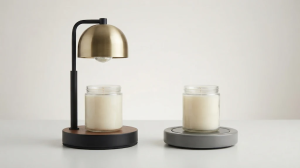
A quick comparison

FeatureLamp-style warmerWarming plate
Heat sourceAbove the candleUnder the container
Common considerationShade clearance and adjustable heightContainer compatibility and stable base
Best fit depends onCandle height and available vertical spaceCandle base and available surface area
Before buyingCheck bulb and candle-size guidanceCheck approved containers and heat guidance

How to Choose the Right Candle Warmer

Start with the candle you already own. Measure its height and width, then compare those dimensions with the warmer’s stated limits. For a lamp, check that the candle fits beneath the heat source with the clearance required by the manufacturer. For a plate, confirm that the jar’s base sits securely and that the device is intended for that type of candle.

Next, think about how you’ll use it. A timer can help limit how long the device runs, while a dimmer or adjustable height can offer more control on some lamp models. These features are useful only when you understand how the manufacturer expects you to use them; they do not replace supervision.

Use this checklist when comparing options:

  1. Confirm compatibility. Check candle dimensions, container type, bulb specifications, and any stated restrictions.
  2. Look for steady construction. The warmer should sit level and feel stable on the surface where you plan to use it.
  3. Check the controls. Decide whether you want a timer, dimmer, or height adjustment, and verify what each control actually does.
  4. Plan the location. Choose a flat, heat-safe area away from curtains, paper, pets, and busy walkways.
  5. Read the care instructions. Find out how to clean wax spills and whether the bulb or other parts are replaceable.
  6. Review the electrical details. Inspect the cord and plug, and use a product with appropriate safety information for your region.

If you are shopping internationally, check the device’s voltage and plug compatibility for the country where it will be used. Do not assume an adapter changes the voltage. Follow the product label and local electrical guidance.

How to Use a Candle Warmer Safely

A candle warmer avoids a lit wick while it is heating, but its surfaces and wax can still become hot. Place the device on a firm, level, heat-resistant surface. Keep it away from flammable materials, out of reach of children and pets, and clear of places where it could be knocked over.

Before each use, look over the warmer, plug, and cord. Do not use the device if the cord is frayed, the plug is damaged, or the warmer appears cracked or unstable. Follow the manufacturer’s directions for bulb replacement, approved candle sizes, and heat settings. Avoid using a damaged or unsuitable candle container.

Stay nearby while the warmer is operating, and switch it off when you leave the room or go to sleep unless the manufacturer provides specific instructions that say otherwise. A timer is a convenience, not a substitute for following safety directions. Unplug the warmer before cleaning or changing parts, and wait until the device and wax have cooled.

What about fragrance and room size?

The scent you notice depends on the candle, the warmer’s heat, the room, airflow, and personal preference. Start with one candle in a smaller room, then adjust the setup if the fragrance is too strong or too faint. Opening a door or window can change how quickly scent travels, so judge the result in the room where you plan to use it.

Warmers do not make every fragrance suitable for every person or space. If a scent irritates you, stop using it and ventilate the area. People with sensitivities may prefer an unscented environment. Avoid assuming that a warmer makes scented products harmless or improves indoor air quality.

Candle Warmer Care and Troubleshooting

A little care helps keep the device in good working order. Let the warmer cool before wiping it, and follow the cleaning directions for your specific model. Do not immerse an electrical warmer in water or scrape at hot wax with a sharp tool. For stubborn residue, use only a cleaning method the manufacturer approves.

If the fragrance seems weaker over time, the wax may have released much of its scent. Let it cool fully before deciding whether to remove a layer or replace the candle. Keep any wax-removal process consistent with the candle maker’s guidance, and avoid pouring liquid wax into a sink or toilet.

If a warmer smells unusual, flickers, overheats, or makes unexpected sounds, switch it off and unplug it if you can do so safely. Stop using it until you have checked the instructions or contacted the manufacturer. Do not improvise electrical repairs or replace a bulb with a different type or wattage.

Candle Warmer FAQs

Is a candle warmer safer than burning a candle?

A warmer avoids the open flame used by a lit candle, which may make it preferable in situations where a flame is inconvenient. It still uses heat and electricity, and melted wax can burn skin. Use it on a stable, heat-safe surface, follow the maker’s directions, and keep it away from children and pets.

Does a candle warmer make a candle last longer?

A warmer may let you enjoy fragrance without burning the wick, but the wax still releases fragrance as it heats. How long a candle remains useful depends on its size, ingredients, heat exposure, and how often it is used. Follow the candle maker’s care guidance rather than expecting a particular lifespan.

What is a lamp candle warmer?

A lamp candle warmer is a warmer with a bulb positioned above the candle. The bulb heats the wax surface so fragrance is released without lighting the wick. Many designs have an adjustable stem or dimmer, but candle size, bulb type, and clearance vary, so check the product instructions before use.

Can you use any candle with a candle warmer lamp?

No. A candle needs to fit within the warmer’s size and clearance limits, and the manufacturer may restrict which containers or candle types are suitable. Check the product instructions before placing a candle beneath the lamp. Do not modify the warmer or use a replacement bulb with different specifications.

How long should I leave a candle warmer on?

Use the operating time recommended by the warmer’s manufacturer. If the product has a timer, set it according to the instructions and do not treat it as permission to ignore supervision. Switch the device off when it is not needed, and never leave it running while you sleep unless its instructions explicitly support that use.

Choose a Warmer That Fits Your Candle and Space

The right warmer depends on more than style. Match the device to your candle’s size and container, check the controls and electrical details, and set it up on a stable surface away from anything that could catch fire or knock it over. A lamp may suit taller candles and adjustable setups; a plate may fit a lower-profile space.

Most important, follow the instructions for both the candle and the device. Compare the options available for your room, review the safety and compatibility details, and choose a candle warmer that fits the way you actually plan to use it.

Leave a Comment

Your email address will not be published. Required fields are marked *

Scroll to Top