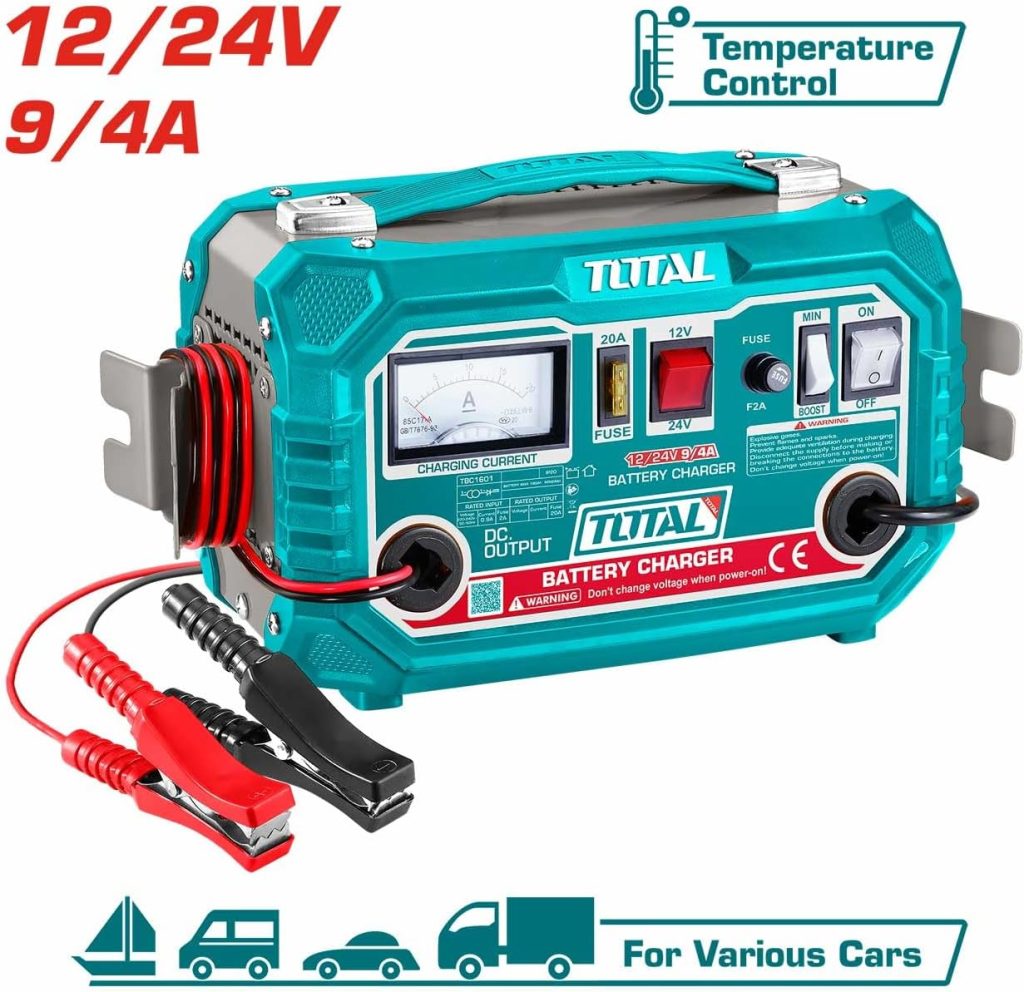
A car that cranks slowly on a cold morning may be warning you about its battery. So, how long do car batteries last? The answer depends on the battery, climate, driving habits, and condition of the charging system. This guide explains typical lifespan, signs a battery may be failing, how to help it last, and when to test or replace it. You’ll also find practical tips for choosing a replacement and avoiding a surprise no-start.
Key Takeaways
- Many conventional car batteries last about three to five years, but this is a general range, not a guarantee.
- Heat, deep discharges, short trips, and charging-system problems can shorten battery life.
- Slow cranking, dim lights, and repeated jump-starts are reasons to arrange a battery test.
- Check the owner’s manual and battery label before buying a replacement.
How Long Do Car Batteries Last?
Most conventional 12-volt car batteries last about three to five years. Some fail sooner, while others last longer. Driving conditions, weather, battery type, vehicle electronics, maintenance, and the health of the charging system all influence how long a specific battery will work reliably.
That range is a planning guide, not a replacement schedule. A battery that is four years old may still test well, while a younger one may be weakened by repeated deep discharges or an electrical fault. A load or conductance test can help assess its condition more reliably than age or appearance alone.
The battery’s age is usually marked on its case or label, though formats vary by manufacturer. If you do not know when it was installed, a repair shop or battery retailer may be able to help identify its approximate age and test its performance.
What Affects Car Battery Lifespan?
Climate and temperature
Both heat and cold can affect a car battery. High under-hood temperatures can speed up battery wear, while cold weather makes it harder for a battery to deliver power and makes the engine harder to turn over. That is why a battery that seemed adequate in mild weather may struggle when temperatures drop.
Drivers in hot regions may see shorter battery life than expected, while freezing conditions can expose an already weak battery. Parking in a garage or shade may reduce some temperature extremes, but it cannot prevent normal aging or correct a charging problem.
Driving habits
A car’s alternator recharges the battery while the engine runs. Frequent short trips may not give the charging system enough time to replace the energy used to start the vehicle, especially if the car also runs heated seats, lights, or other electrical accessories.
Leaving the vehicle unused for long periods can also contribute to a discharged battery. Many cars draw a small amount of power while parked to support alarms, computers, and other systems. If the vehicle sits for weeks, ask the manufacturer or a qualified technician about appropriate storage or battery-maintenance options.
Battery type and vehicle requirements
Vehicles use different battery designs, sizes, and performance ratings. Some have start-stop systems or higher electrical demands and require a specific battery type. Installing a battery that does not meet the vehicle’s requirements can cause poor performance or other issues.
Check the owner’s manual and the label on the existing battery. The recommended group size, terminal layout, technology, and ratings need to suit the vehicle. If you are unsure, confirm compatibility with a qualified technician or a reputable parts supplier.
Charging-system or electrical problems
A worn alternator, loose connection, corroded terminal, or parasitic electrical drain can leave a battery undercharged. Replacing the battery without diagnosing the cause may lead to another failure.
If a new battery repeatedly goes flat, ask for a charging-system and electrical draw test. The battery may not be the underlying problem.
Signs Your Car Battery May Be Failing
Battery trouble can develop gradually, but not every symptom points to the battery. A slow start, for example, could also relate to the starter, wiring, engine, or charging system. Look for patterns and get a test instead of guessing.
Common warning signs include:
- Slow engine cranking: The starter turns the engine more slowly than usual.
- Clicking when you try to start: This can happen when the battery lacks enough power, though other faults are possible.
- Dim or flickering lights: Headlights or interior lights may appear weaker, especially when starting.
- Electrical features behaving oddly: Accessories may reset or work inconsistently.
- A battery warning light: This can indicate a charging-system problem, not necessarily a failed battery.
- Repeated need for a jump-start: A battery that keeps going flat needs testing and diagnosis.
- Visible damage or leakage: A swollen case, cracks, or leaking material calls for careful professional attention.
Do not touch leaking battery fluid or attempt to handle a damaged battery. Keep sparks and flames away, and contact a qualified service provider. If the car will not start in an unsafe location, prioritize roadside safety and request assistance.
How to Check Your Car Battery
A professional battery test can measure whether the battery can deliver the power the vehicle needs. Many auto repair shops and battery retailers offer testing, though availability and terms vary. Ask for the results and whether the test includes the charging system.
You can also do a basic visual check if the battery is easy to access and the owner’s manual permits it. Look for loose connections, corrosion around the terminals, or a damaged case. Do not remove covers or disconnect terminals unless you know the correct procedure for your vehicle.
A voltage reading alone does not always tell the full story. A battery may show a reasonable resting voltage but still fail under load. Temperature, recent driving, and charging conditions can also affect readings. Use the right test for the battery and vehicle rather than relying on one number.
When to test it
Arrange a test if you notice starting problems, the battery is several years old, or the vehicle has needed a jump-start. It is also sensible to check the battery and charging system before a long trip or a season when extreme temperatures are expected.
Testing is especially useful if the car sits for long periods or you rely on it for commuting, school runs, or work. Knowing the battery’s condition can help you plan replacement, but no test can guarantee exactly when a battery will fail.
How to Help a Car Battery Last Longer
No maintenance routine can guarantee a particular lifespan, but sensible habits can reduce avoidable strain.
- Drive the car regularly. If it sits unused, ask a technician about a suitable maintenance charger or storage procedure for your vehicle.
- Avoid leaving accessories on. Turn off lights and unplug devices when the vehicle is parked, where appropriate.
- Keep connections clean and secure. Have corrosion or loose terminals inspected and serviced safely.
- Investigate repeated discharge. A recurring flat battery may point to a charging issue or electrical drain.
- Use the correct replacement battery. Match the vehicle manufacturer’s requirements, including battery type and size.
- Get periodic testing. Consider a test when the battery is aging or before demanding seasonal driving.
- Follow vehicle-specific instructions. Some cars require special steps when a battery is disconnected or replaced.
Modern vehicles may need battery registration or resetting after replacement. Some also require memory-saving procedures or have battery sensors. Check the service information for your exact make and model before attempting a DIY replacement.
When Should You Replace a Car Battery?
Replace a battery when it fails a suitable test, cannot reliably start the vehicle, or has physical damage that makes continued use unsafe. A mechanic may recommend replacement if test results show the battery cannot meet the vehicle’s requirements. Ask whether they tested the battery itself and checked the charging system.
Age can help you decide when to test, but it is not a diagnosis. If the battery is approaching or beyond the commonly cited three-to-five-year range, consider having it checked—especially before winter, a road trip, or another period when a breakdown would be difficult.
If a battery is under warranty, review the paperwork before buying another one. Coverage terms can depend on the product, seller, purchase date, and test results. Keep the receipt and installation record.
Choosing a replacement
Before purchasing, confirm:
- The required battery size and terminal arrangement
- The battery type specified for your vehicle
- The recommended starting and reserve ratings
- Any start-stop or battery-management requirements
- The warranty terms and installation requirements
- Whether the old battery can be recycled through the seller or a local program
Do not choose based only on price or a familiar brand name. A battery that does not match the vehicle may not fit or perform as intended. If you are uncertain, share your vehicle’s year, make, model, and engine with a qualified supplier.
How Long Do Car Batteries Last in Hot or Cold Weather?
There is no single lifespan for every climate. Heat can speed up battery aging, while cold weather increases the power needed to start an engine and can reveal weakness in an older battery. Local conditions, parking, vehicle use, and battery design all matter.
If you live where temperatures swing widely, check the battery before the season when you depend on it most. For winter, that means testing before the first severe cold spell. In hot areas, regular checks can help identify weakening performance before a long drive or a period of heavy vehicle use.
If you are moving to a different climate, the battery does not automatically need replacement. Have it tested and confirm that it meets the vehicle’s specifications. Replace it based on its condition and the manufacturer’s guidance, not climate alone.
Car Battery FAQs
Can a car battery last more than five years?
Yes. Some batteries continue to work beyond five years, but lifespan varies with climate, driving habits, vehicle demands, and charging-system health. Do not rely on age alone to decide whether a battery is safe to keep using. If it is older or showing symptoms, have it tested and plan for possible replacement.
Slow cranking, repeated jump-starts, dim lights, or a failed battery test can indicate that replacement is needed. These symptoms may also come from other vehicle faults, so ask for both battery and charging-system checks. Replace a battery that is physically damaged or leaking only with appropriate professional guidance.
Not automatically. Three years is a useful point to consider testing, especially in harsh conditions, but it is not a universal replacement deadline. A healthy battery may continue to perform, while another may fail sooner. Use test results, vehicle symptoms, manufacturer guidance, and the battery’s condition to decide.
Frequent short trips can leave less time for the alternator to recharge energy used during starting, particularly when the vehicle uses many electrical features. That does not mean every short trip damages a battery. If the car is used mostly for brief drives or sits often, ask a technician about testing and appropriate maintenance.
A jump-start may help start a vehicle with a discharged battery, but follow the vehicle manual’s procedure and use suitable equipment. Incorrect connections can damage electronics or cause injury. If you are unsure, use roadside assistance. A battery that repeatedly needs a jump-start should be tested rather than continually boosted.
Some vehicles require a battery-management system reset or registration after replacement; others do not. Requirements depend on the make, model, and electrical system. Check the owner’s manual or service information before installation. If registration is required and skipped, charging behavior may not work as intended, so ask a qualified technician.